If you’ve ever considered whitening your teeth but hesitated due to sensitivity, you’re not alone. Many people want a brighter smile but worry that teeth whitening treatments could make their sensitive teeth feel even worse.
There are ways to whiten your teeth without causing discomfort. In this blog, we’ll explore how teeth whitening works, why sensitivity happens, and how you can safely brighten your smile, especially if you have sensitive teeth.
What Causes Sensitive Teeth?
Before diving into whitening, let’s talk about what causes tooth sensitivity. Sensitive teeth can occur for a variety of reasons:
- Thin enamel: As the outer layer of your teeth wears down, the nerves inside your teeth become more exposed to triggers like hot, cold, or sweet foods.
- Gum recession: When your gums pull back, the sensitive parts of your tooth are exposed, causing discomfort when brushing or eating.
- Cavities or cracks: These can create weak spots that make your teeth more vulnerable to sensitivity.
If you experience pain when consuming hot or cold foods or when brushing, it’s a good idea to talk to your dentist. They can help you identify the root cause of your sensitivity.
Can You Whiten Sensitive Teeth?
Yes, you can! The key is to choose the right whitening method and take precautions to avoid aggravating the sensitivity. Here’s a breakdown of how whitening works and how you can whiten your teeth safely:
Types of Teeth Whitening Options
Whitening Toothpaste
Whitening toothpaste is often the first choice for many people. It works by gently removing surface stains from the teeth, often without causing much sensitivity. However, if your teeth are already sensitive, choose a toothpaste that’s specifically made for sensitive teeth. These formulas are typically gentler and less abrasive.
At-Home Whitening Kits
These kits come with gels or strips that you apply to your teeth. They’re more effective than toothpaste, but they may cause sensitivity, especially if left on too long or used too often. Look for products that are labeled “for sensitive teeth” or consult your dentist about the best at-home option for you.
Professional Whitening Treatments
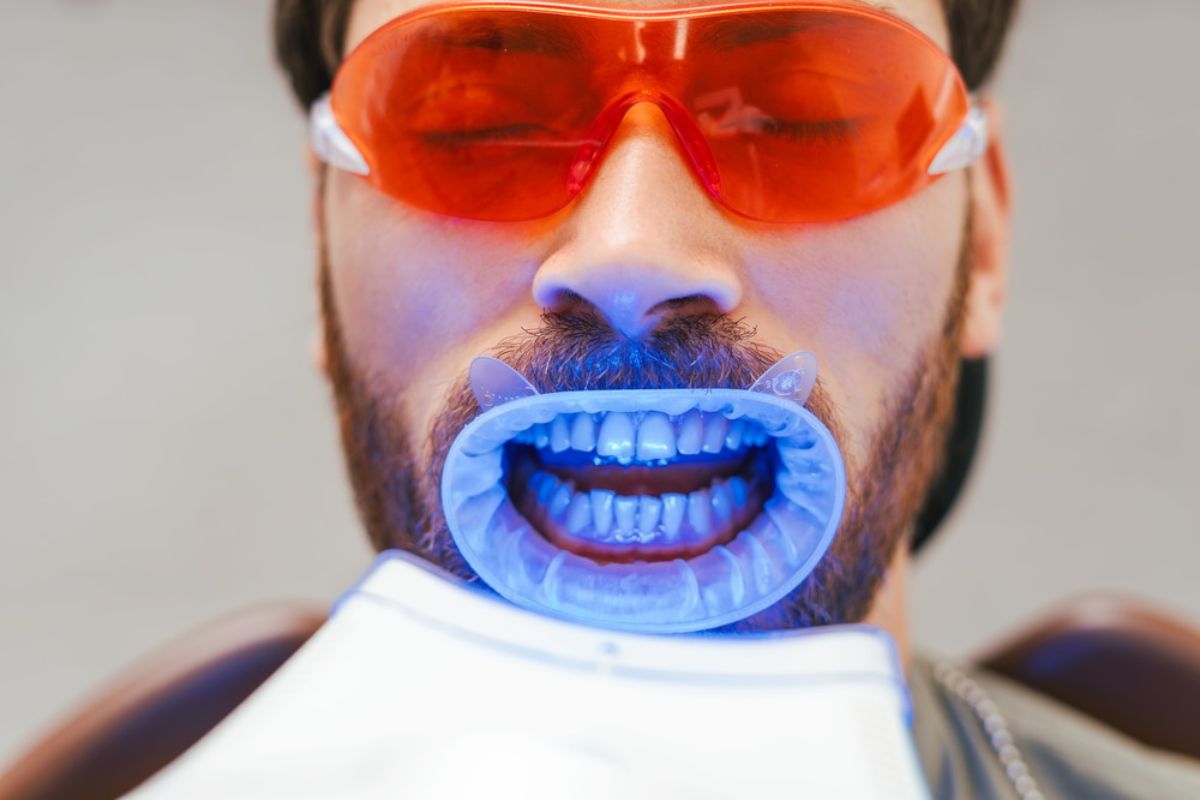
If you’re looking for faster, more dramatic results, a professional whitening treatment might be your best option. In-office whitening procedures are usually stronger, but a dentist can adjust the treatment to fit your needs, ensuring it’s safe for your sensitive teeth.
Laser Whitening
This treatment uses a special light to accelerate the whitening process. While it may sound intense, it can be very effective for people with sensitive teeth because it can be customized to minimize discomfort.
Tips to Minimize Sensitivity While Whitening
If you’re concerned about whitening your teeth and experiencing sensitivity, here are a few tips to help you:
Use desensitizing toothpaste
Before starting any whitening treatments, try using a desensitizing toothpaste for a few weeks. This can help block the pain signals and prepare your teeth for whitening.
Follow the instructions carefully
Whether you’re using whitening toothpaste, strips, or gels, it’s crucial to follow the instructions. Overuse of whitening products can lead to increased sensitivity and even damage to your enamel.
Take breaks
If you’re using at-home whitening treatments, give your teeth a break in between applications. This can help your teeth recover and reduce the risk of sensitivity.
Hydrate
Drink plenty of water while whitening your teeth. This can help reduce the irritation caused by whitening agents, especially if you have sensitive teeth.
Consult your dentist
Before starting any whitening treatments, it’s a great idea to talk to your dentist. They can evaluate the condition of your teeth and offer you safe teeth whitening options to boost your smile.
Alternatives to Teeth Whitening
If teeth whitening is just too uncomfortable for you, there are alternative ways to brighten your smile:
- Veneers: These thin shells of porcelain are bonded to the front of your teeth, creating a whiter, more uniform appearance without the need for whitening products.
- Bonding: For small stains or imperfections, dental bonding can help cover up discoloration and improve the overall look of your teeth.
Get Safe Whitening Treatment For Your Sensitive Teeth In Copperas Cove
Whitening your teeth with sensitivity doesn’t have to be a challenge. By choosing the right products and taking precautions, you can enjoy a brighter smile without unnecessary discomfort. If you’re in Copperas Cove and want to learn more about safe teeth whitening options for sensitive teeth, schedule your appointment at Cove Family Dental. We’re here to help you achieve the smile of your dreams – comfortably.

