Most people want a straighter smile, but the idea of metal braces still gives them pause. That is completely fair. Between the wires, the food rules, and the monthly tightenings, traditional braces ask a lot of you. Invisalign changed that conversation.
If you have been sitting on the fence, this post is for you. Here is an honest look at why Invisalign may be the right move right now, and why waiting could actually cost you more time and money down the road.
What Is Invisalign, Really?
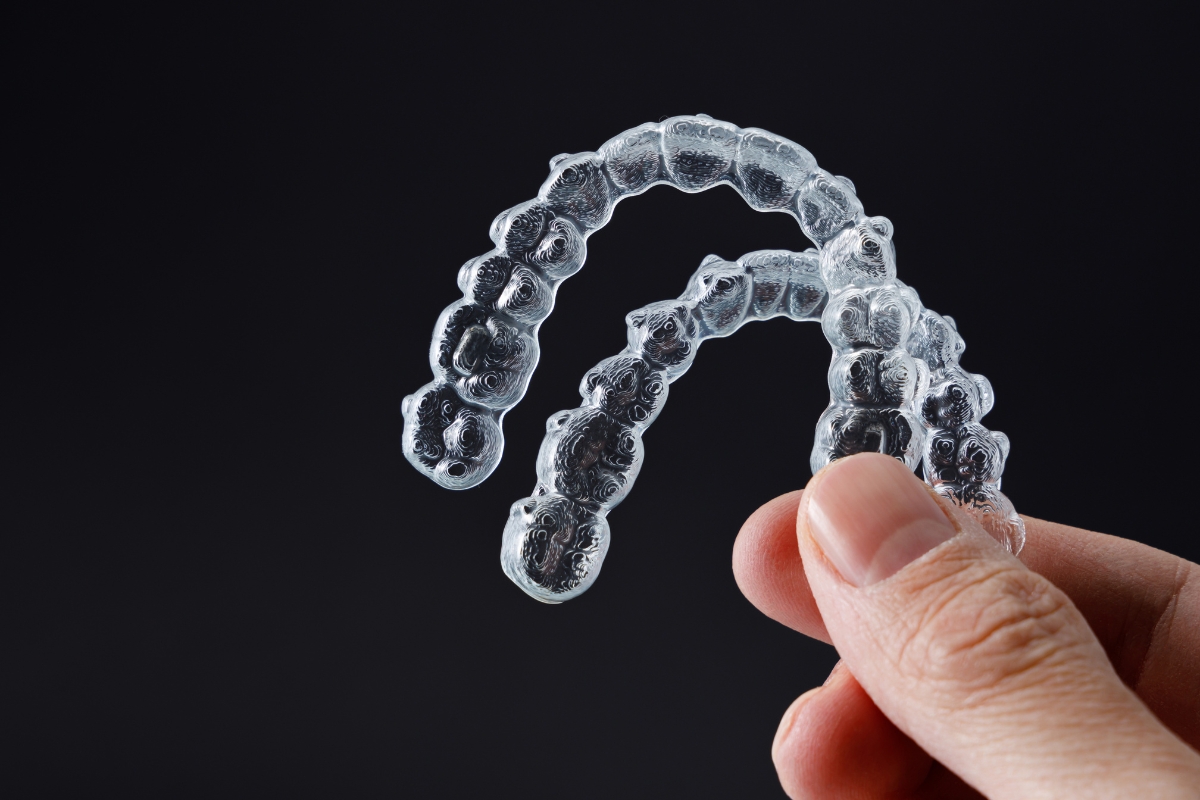
Invisalign is a clear aligner system. It uses a series of custom-made, removable trays to gradually shift your teeth into place. No brackets. No wires. No one noticing unless you tell them.
Each set of trays is worn for about one to two weeks before you move to the next set. Over time, your teeth move in small, controlled steps toward the final position your dentist planned out for you.
The whole process is mapped digitally before a single tray is made. That means you can actually see a projected view of your results before treatment even starts. For a lot of patients, that alone is worth it.
Why Starting Sooner Makes a Difference
There is a common belief that Invisalign is just about looks. That is only part of the picture. Crooked or crowded teeth are harder to clean. They trap plaque in spots your brush and floss cannot easily reach. Over time, that leads to cavities, gum issues, and even bone loss.
Misaligned teeth also affect how you bite. An uneven bite puts extra pressure on certain teeth, which can wear them down faster than normal. Some people notice jaw soreness or headaches tied directly to bite problems they had no idea were there.
Starting treatment now means you stop these small problems before they grow. A trusted dentist near your area can review your bite and tell you exactly what is happening beneath the surface.
The Everyday Benefits That Add Up
You Can Take Them Out
Eat what you want. Brush normally. Take them out for photos or events. Pop them back in after. That kind of control matters a lot over the months of treatment.
Comfort You Can Actually Feel
Smooth plastic does not cut into your cheeks the way metal can. Most people adjust within a day or two. There can be mild pressure when you switch to a new tray, but it fades quickly.
Confidence During Treatment
Clear aligners are nearly invisible. You can smile through a work presentation, a date, a wedding, or a job interview without feeling self-conscious about your appearance.
For a deeper look at how Invisalign compares to braces, the American Dental Association offers clear guidance on orthodontic options for adults and teens.
Is Invisalign Right for Everyone?
Invisalign works well for mild to moderate alignment issues. This includes crowding, spacing gaps, overbite, underbite, and crossbite in many cases. Severe cases may still call for traditional braces or a combination approach.
The only way to know what fits your situation is a proper evaluation. When you search for a dentist near your location and book a consultation, they will take X-rays, review your bite, and give you a clear answer on whether Invisalign is a good fit.
What the Treatment Process Looks Like
Here is a simple breakdown of what to expect:
- Initial exam and digital scans of your teeth
- A custom treatment plan built around your goals
- A preview of your projected smile before you commit
- A series of trays delivered in sets, worn 20 to 22 hours a day
- Regular check-ins every 6 to 8 weeks to track progress
- Retainers after treatment to keep your results in place
The Mayo Clinic’s orthodontic care page covers what to expect during alignment treatment, including how teeth respond to gradual pressure over time.
What About Cost and Insurance?
The cost of Invisalign varies depending on how complex your case is and how long treatment takes. Many dental insurance plans that cover orthodontics will apply the same benefit to Invisalign that they would to braces.
A lot of dental offices also offer payment plans, which break the total cost into monthly amounts that are much easier to manage. Ask about financing options when you go in for your consultation.
Why Waiting May Cost You More
Here is something most people do not think about. Putting off treatment is not neutral. Bite problems progress. Enamel wears unevenly. Gum tissue around crowded teeth can pull back over time. What is a moderate alignment problem today could become a more involved case a year or two from now.
Early action usually means shorter treatment time and lower total cost. A qualified dentist can tell you honestly whether your situation is time-sensitive or something you can plan around your schedule.
For more information on how untreated dental issues affect long-term health, visit the National Institute of Dental and Craniofacial Research (NIDCR), which provides evidence-based resources on oral health outcomes.
Frequently Asked Questions About Invisalign
Q: How long does Invisalign treatment usually take?
Most adults finish in 12 to 18 months. Mild cases can wrap up in as little as 6 months. Your treatment length depends on how much movement your teeth need.
Q: Is Invisalign painful?
There can be mild pressure or soreness, especially in the first day or two after switching to a new tray. Most people manage fine without any pain relief at all. The discomfort is typically short-lived.
Q: Can adults use Invisalign, or is it just for teens?
Invisalign is widely used by adults. In fact, a large portion of Invisalign patients are adults who want results without the look of traditional braces. There is no age ceiling for treatment.
Q: How many hours a day do you have to wear the trays?
The standard recommendation is 20 to 22 hours per day. That leaves 2 to 4 hours for eating, drinking anything other than water, and brushing your teeth.
Q: What happens after Invisalign is done?
You will be given retainers to wear after treatment ends. Retainers hold your teeth in their new position. Most people wear them full-time at first, then only at night over the long term.
Q: Does insurance cover Invisalign?
Many plans with orthodontic benefits do cover Invisalign at the same level as braces. Check with your provider and ask your dental office to verify your benefits before your consultation.
Q: Can Invisalign fix a bad bite, or just crooked teeth?
Invisalign can address many bite issues, including overbite, underbite, open bite, and crossbite. Severity varies by case. Your provider will evaluate your bite during your first visit and explain what can be corrected.
Take the First Step Today
A straighter smile is one thing. Better oral health is another. Invisalign offers both, and it fits into real life far better than most people expect. The trays are discreet, the process is comfortable, and the results are lasting.
The best way to know if Invisalign is right for you is to talk to a professional who can actually look at your teeth. We encourage you to schedule a consultation with the team at Cove Family Dental in Copperas Cove, TX. Come in with your questions and leave with real answers.
You can also contact a local dental office today to find out what your insurance covers and what your treatment timeline could look like. The sooner you start, the sooner you see results.
Cove Family Dental | Copperas Cove, TX | Trusted care for the whole family

