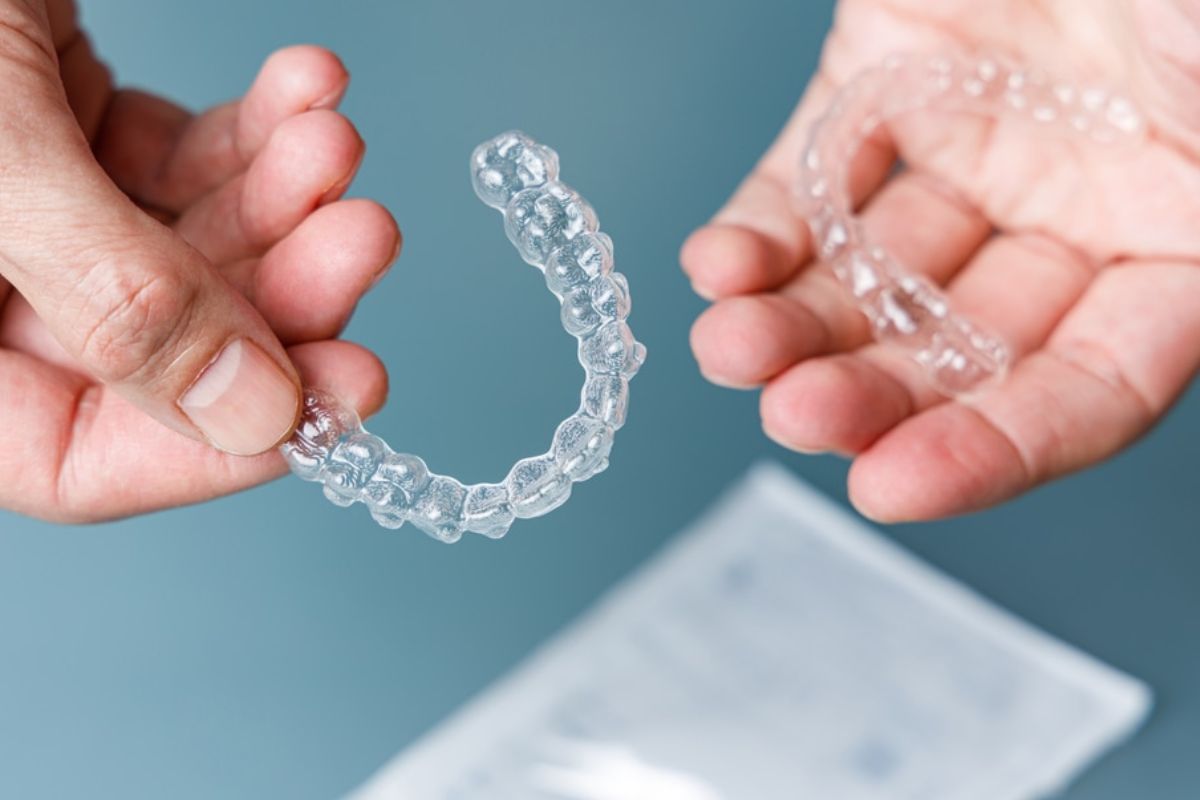
Invisalign aligners provide a modern and discreet solution for straightening teeth, designed to be clear, removable, and more comfortable compared to traditional braces. However, to get the most out of your treatment, it’s crucial to care for your aligners properly. Poor maintenance can lead to discoloration, odor, and even bacterial buildup that could impact both your oral health and treatment progress.
Daily Cleaning is a Must
Your Invisalign aligners should be cleaned every day to remove food particles, plaque, and bacteria. Ideally, you should clean them twice—once in the morning and once before bed—just as you would your teeth.
Use a soft toothbrush (not the one you use for your teeth) and clear, gentle liquid soap or Invisalign’s own cleaning crystals. Avoid toothpaste, which often contains abrasive ingredients that can scratch the plastic and make aligners look cloudy.
Here’s a simple daily cleaning routine:
- Rinse aligners with lukewarm water (never hot, as it can warp the plastic).
- Use a soft-bristled toothbrush and mild soap to carefully clean all surfaces, inside and out.
- Rinse thoroughly again before putting them back in your mouth.
Avoid Staining Foods and Drinks
One of the biggest perks of Invisalign is being able to remove the aligners before meals. But many people forget to rinse their mouth or brush their teeth before reinserting them. Any residue from coffee, wine, berries, or tomato-based sauces can stain the aligners—and your teeth.
To prevent discoloration:
- Take your aligners out whenever you consume anything besides plain water.
- Make sure to rinse both your mouth and the aligners thoroughly before reinserting them.
- Limit consumption of heavily pigmented foods and drinks, or brush promptly after enjoying them.
Store Aligners Properly
Leaving your aligners on exposed surfaces can lead to contamination and increases the chances of losing them. Be sure to place them in their storage case whenever they’re not being worn. This helps maintain hygiene and prevents accidental damage or misplacement.
If you do lose your case, ask your provider for a replacement right away. Keeping aligners in napkins or pockets often leads to costly accidents.
Handle with Clean Hands
Make it a habit to wash your hands with soap and water before handling your aligners. This helps reduce the risk of introducing bacteria into your mouth. Aligners are clear and nearly invisible, but they can harbor bacteria if not handled hygienically.
Avoid Harsh Cleaning Products
Some patients try to clean their aligners with bleach, alcohol-based mouthwash, or colored soaps, which can damage the material and even leave harmful residues. Stick to gentle, non-abrasive products, and when in doubt, ask your dentist or orthodontist for recommendations.
Soak for a Deeper Clean
For a more thorough clean, soak your aligners in Invisalign cleaning crystals or a retainer-cleaning solution a few times a week. This helps eliminate buildup and keeps your trays fresh. After soaking, brush them gently and rinse thoroughly before wearing.
Keep Aligners Away from Heat
Heat can warp the plastic, altering the fit of your aligners and affecting treatment. Avoid:
- Leaving them in a hot car
- Cleaning them with hot water
- Exposing them to direct sunlight for extended periods
Rotate Sets with Care
When it’s time to switch to a new set of aligners, make sure you’ve completed the full wear time of the previous set as directed. Keep the old set in a safe place in case your current aligners get lost or damaged—you may need to revert temporarily while a replacement is made.
Why Proper Aligner Care Matters
Neglecting aligner care can lead to trays that are unclean, distorted, or improperly fitted—ultimately affecting your progress and potentially harming your dental health.
In Summary
Invisalign aligners require regular, thoughtful care to stay clean, clear, and effective. Simple habits like daily cleaning, proper storage, and avoiding harsh chemicals can keep your trays in excellent condition. By taking care of your aligners, you’re not just protecting a piece of plastic—you’re investing in your future smile.

