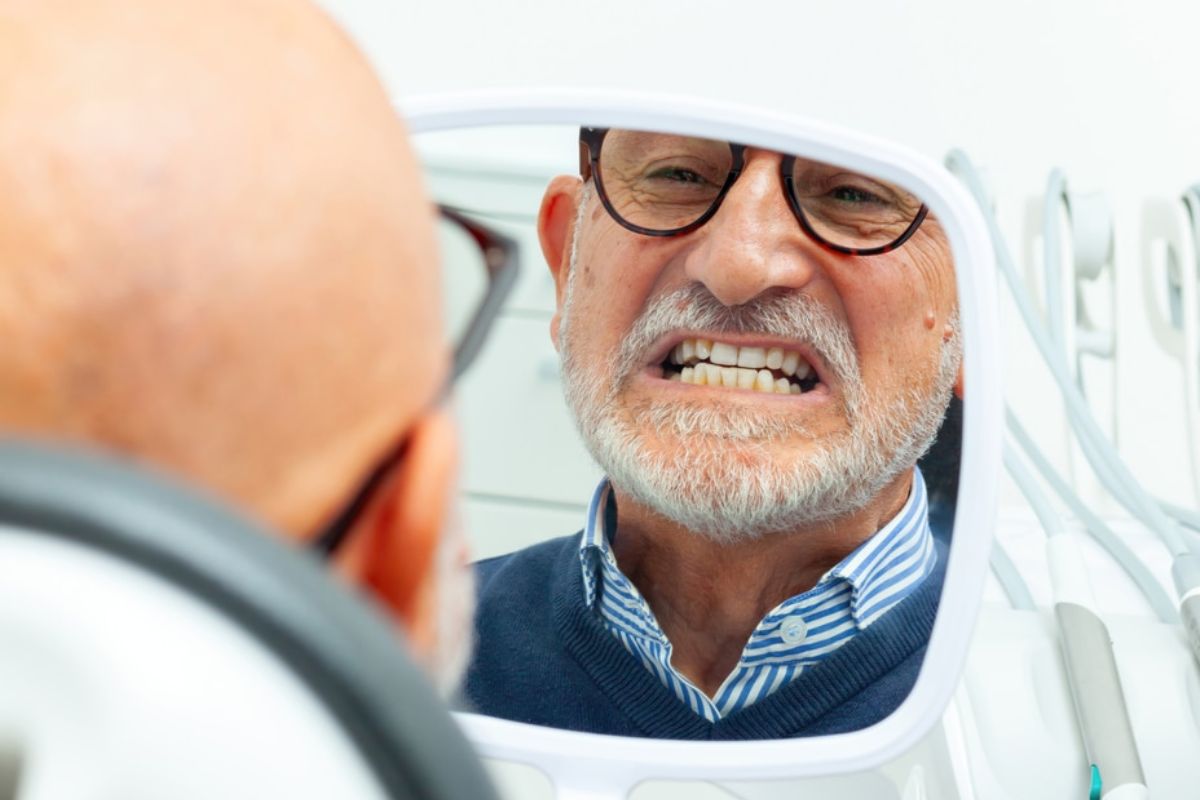
Dental implants are a durable, long-lasting solution for replacing missing teeth and like natural teeth, they require regular care to stay healthy. While implants are made from strong, decay-resistant materials, the tissues surrounding them still need attention to prevent complications like infection or bone loss.
Whether you’re new to dental implants or looking to improve your oral care routine, here’s a helpful guide to keeping your implant in top shape.
Right After Implant Placement
Immediately after getting a dental implant, your mouth will need time to heal. During the first few days, you might experience mild discomfort, swelling, or sensitivity in the treated area. Following your dentist’s post-operative instructions is crucial during this period.
Eat soft foods and avoid crunchy, hard foods that can create pressure on the implant. It’s also best to avoid smoking or drinking through a straw, as the suction can interfere with healing. Keeping your mouth clean with gentle rinsing, such as using a saltwater solution, can help reduce the risk of infection
Daily Cleaning is Essential
Even though the implant itself can’t get cavities, the surrounding gum tissue can become inflamed if not properly cleaned. This condition, known as peri-implantitis, is similar to gum disease and can lead to implant failure if left untreated.
Here are a few daily habits that support implant health:
Brush Twice a Day – Use a soft-bristled toothbrush and low-abrasive toothpaste to clean around your implant crown and gums. Electric toothbrushes can be especially helpful for thorough cleaning.
Floss Daily – Flossing around the implant helps remove food particles and plaque. Specialized implant floss or interdental brushes may be recommended for hard-to-reach areas.
Use an Antibacterial Mouthwash – Rinsing with an antimicrobial mouthwash can reduce bacteria and support healthy gums.
What to Avoid
Just like with natural teeth, certain habits can damage a dental implant over time. Here’s what to steer clear of:
Chewing on Hard Items – Ice, hard candies, and popcorn kernels can put unnecessary pressure on the implant and surrounding bone.
Grinding Your Teeth – If you clench or grind your teeth (especially at night), talk to your dentist about a custom night guard to protect your implant.
Skipping Dental Visits – Regular check-ups allow your dentist to monitor the implant and surrounding tissue, ensuring everything is functioning as it should.
Regular Dental Check-Ups Matter
Your implant may feel just like a natural tooth—but it still needs professional care. During routine visits, your dentist will examine your implant, assess your bite, and clean areas you may miss at home.
Professional cleanings also help prevent issues like gum inflammation or tartar buildup around the implant. If caught early, most problems can be treated with minimal intervention.
Keeping Your Implant Healthy for the Long Haul
With the right care, dental implants can last many years—often decades. Think of your implant as a long-term investment in your oral health. Treating it with the same care as your natural teeth is the best way to ensure its success.
If you ever notice bleeding, discomfort, or changes around your implant, don’t wait to reach out. Early intervention is key to protecting both your implant and overall oral health.
Have A Question? Contact Us Today!
At Cove Family Dental, we believe that successful dental implants go beyond placement—they require ongoing care and support. Whether you’re preparing for your first implant or you’ve had one for years, our team is here to help you every step of the way.
Have questions about your implant care routine? Contact us to schedule to an appointment and let’s keep your smile strong, healthy, and confident for years to come.

