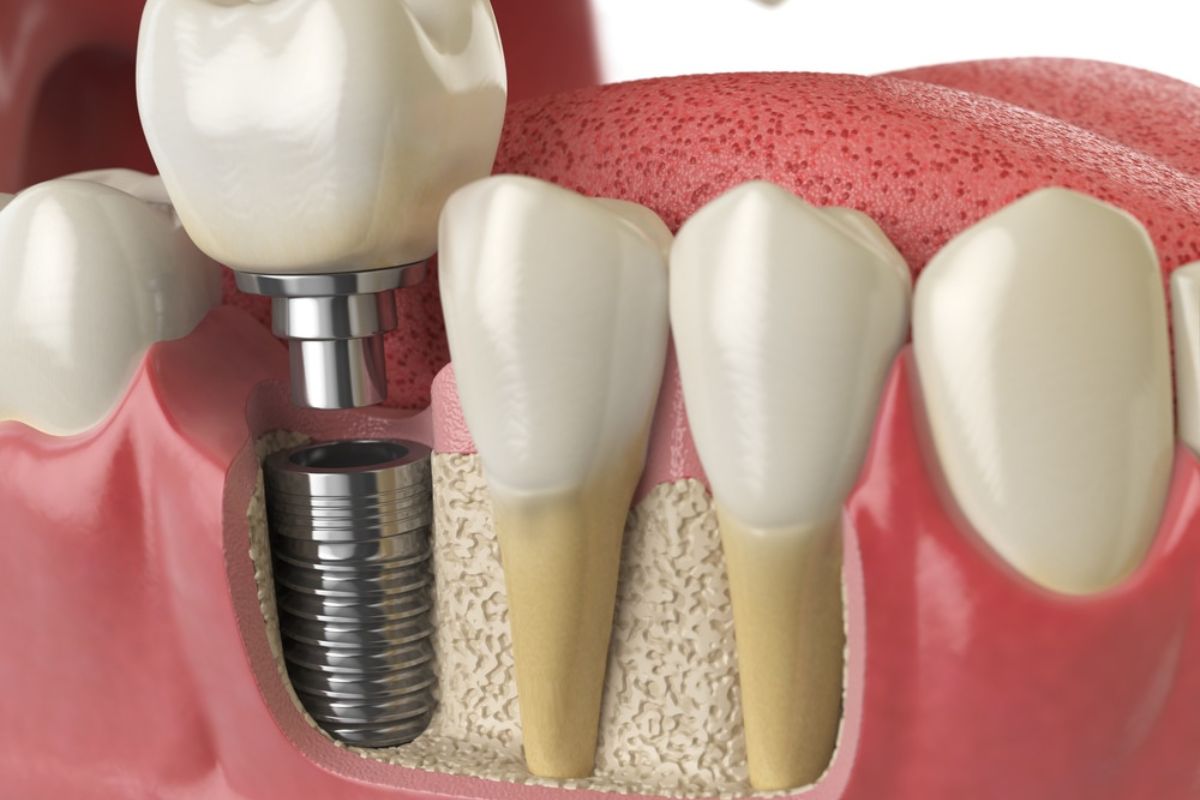
Dental implants provide a long-term solution for missing teeth, allowing patients to regain both function and confidence in their smiles. However, adjusting to eating with them can take time. While some people feel comfortable within a few weeks, others may require a few months to fully adapt. The process depends on factors such as healing time, bone integration, and individual eating habits.
The Initial Healing Phase
After dental implant placement, your mouth needs time to heal before you can fully enjoy your favorite foods. In the first few days, you may experience mild swelling, sensitivity, or tenderness in the implant area. During this time, it’s essential to stick to soft foods such as yogurt, mashed potatoes, and scrambled eggs. Hard, crunchy, or sticky foods should be avoided to prevent unnecessary pressure on the implant site.
As the healing process progresses, your dentist will monitor how well the implant is integrating with your jawbone. This process, called osseointegration, typically takes a few months. The stronger the bond between the implant and bone, the better the long-term stability of your new tooth.
Gradually Reintroducing Foods
Once the initial healing stage is complete, you can start introducing firmer foods. However, it’s important to take it slow and pay attention to how your mouth feels. Chewing on the opposite side of your implant at first can help ease the transition. Cutting food into smaller pieces and chewing slowly can also make eating more comfortable.
As your implant becomes fully integrated, you should be able to enjoy most of your favorite meals without discomfort. However, some patients report that it takes a few months to regain full chewing strength. This is because the muscles in your mouth need time to adapt to the new structure.
Tips for a Smoother Transition
- Choose Soft and Nutrient-Rich Foods – Start with foods that require minimal chewing, such as soups, steamed vegetables, and lean proteins. These options provide essential nutrients while reducing strain on your implants.
- Chew Evenly – Over time, practice distributing chewing pressure evenly across your teeth. This helps maintain balance in your bite and prevents excessive force on the implant.
- Stay Hydrated – Drinking plenty of water keeps your mouth clean and aids in digestion, making it easier to swallow food comfortably.
- Be Mindful of Temperature Sensitivity – Some patients experience temporary sensitivity to hot or cold foods. Eating lukewarm meals can help minimize discomfort.
- Regular Dental Check-Ups – Routine visits to your dentist ensure that your implant is healing properly and that there are no complications affecting your ability to chew.
Long-Term Comfort and Functionality
After a few months, eating with dental implants should feel completely natural. Unlike dentures, which may require adhesives or adjustments, implants function like real teeth. With proper care, they allow you to bite, chew, and enjoy a variety of foods without restrictions.
It’s still important to avoid biting on excessively hard objects like ice, unpopped popcorn kernels, or hard candy, as these can put unnecessary stress on the implant. Practicing good oral hygiene, including regular brushing and flossing, also helps maintain implant health for years to come.
Restoring Confidence in Your Smile
Adjusting to eating with dental implants is a gradual process, but the long-term benefits make it worthwhile. With time, patience, and proper care, you can enjoy meals comfortably and regain confidence in your bite. If you have concerns about your healing progress, your dentist can provide guidance to ensure a smooth transition.
At Cove Family Dental, we are committed to helping patients achieve lasting results with dental implants. Whether you’re considering implants or need support during your recovery, our team is here to provide expert care and personalized solutions.

