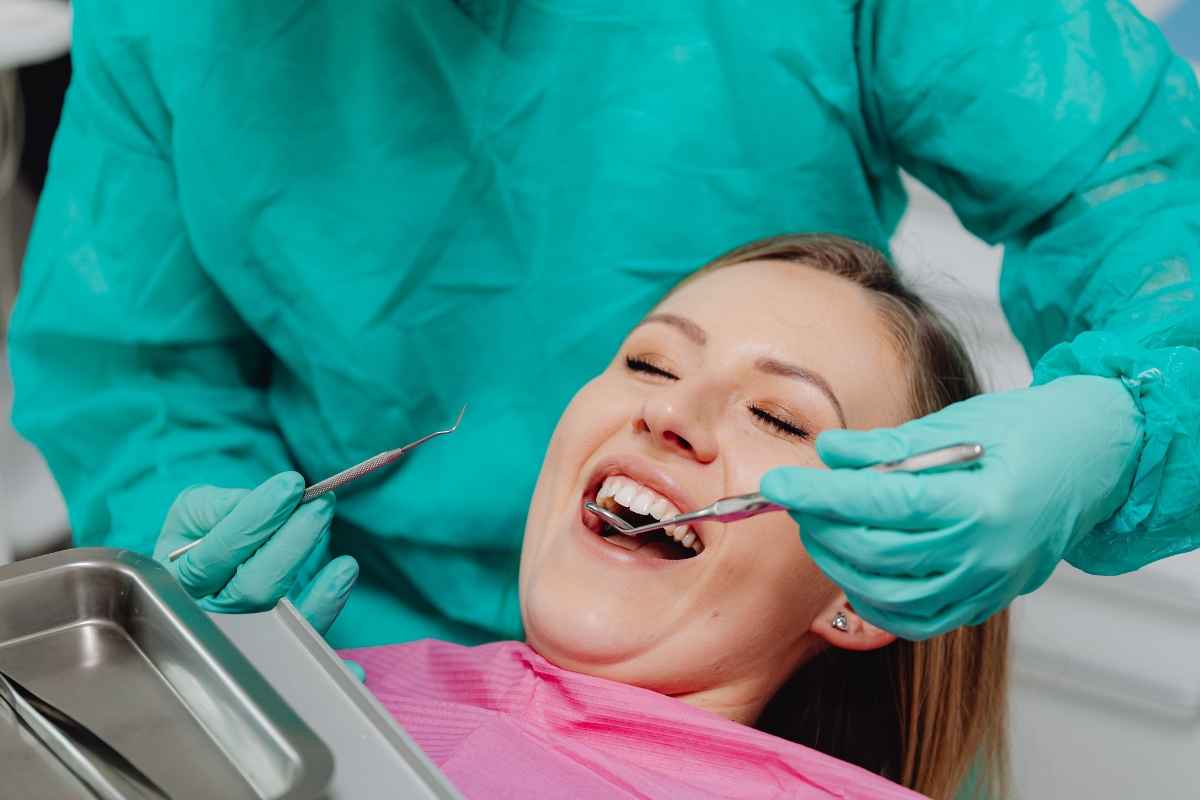
Tooth loss changes more than your smile. It affects how you chew, taste, and enjoy food every day. Many people look for a dentist near their location when eating becomes hard, but few expect how much dentures can shift their daily habits. As a trusted dentist, we see this often and guide patients with clear, honest care.
This article explains how dentures affect your diet, what to expect, and how to adjust with ease.
Why Eating Feels Different With Dentures
Dentures replace missing teeth, but they do not act exactly like natural ones. Your gums now take on more pressure. Bite force drops, and your brain needs time to relearn how to chew.
At first, food may feel loose or hard to control. You may notice:
- Trouble biting into firm foods
- Food slipping under dentures
- Sore spots on gums
- Less taste due to palate coverage
These changes are normal in the early stage. With time and practice, most people adapt well.
Foods That Become Challenging
Some foods need strong bite force or sharp teeth. These can be tough with dentures:
Hard Foods
Nuts, raw carrots, and hard candy can strain dentures. They may cause pain or damage.
Sticky Foods
Caramel or gum can pull dentures out of place.
Chewy Meats
Steak and thick cuts require more effort to break down.
Crunchy Snacks
Chips and crusty bread can break into sharp pieces and irritate gums.
This does not mean you must avoid these foods forever. It means you may need to adjust how you eat them.
Foods That Are Easier to Enjoy
Soft and moist foods help you stay comfortable while you adjust.
Great Starter Options
- Scrambled eggs
- Yogurt
- Mashed potatoes
- Cooked vegetables
- Soft fruits like bananas
Protein Choices
- Fish
- Ground meat
- Beans
Cut food into small pieces. Chew slowly and use both sides of your mouth. This keeps dentures stable.
How Dentures Affect Nutrition
Diet changes can impact your health. When people avoid certain foods, they may miss key nutrients.
For example:
- Skipping fruits and vegetables can reduce fiber and vitamins
- Avoiding protein can affect muscle strength
- Eating only soft carbs can raise sugar intake
A balanced diet is still possible with dentures. It just takes planning. A dentist and nutrition guide can help you build meals that work for you.
Tips to Eat Better With Dentures
Small habits can make a big difference. Here are simple ways to improve your eating experience:
1. Start Slow
Eat soft foods first. Let your mouth adjust.
2. Chew Evenly
Use both sides of your mouth. This keeps dentures stable.
3. Avoid Biting With Front Teeth
Instead, cut food into small pieces and chew from the sides.
4. Stay Hydrated
Water helps wash away food particles and keeps your mouth fresh.
5. Use Denture Adhesive if Needed
This can improve grip and confidence while eating.
The Emotional Side of Eating
Food is not just fuel. It connects us to family, culture, and comfort. When eating becomes hard, people may feel frustrated or avoid social meals.
This is common and valid.
The good news is that most patients regain confidence over time. Support from a dental team helps.
When to See a Dental Professional
Dentures should not cause ongoing pain. If you notice:
- Persistent sore spots
- Loose fit
- Difficulty chewing after adjustment period
It is time for a check-up.
Your mouth changes over time. Dentures may need relining or replacement. Regular visits keep them working well and protect your oral health.
FAQs About Dentures and Eating
1. How long does it take to get used to dentures?
Most people adjust within a few weeks. Full comfort may take a few months.
2. Can I eat normally again?
Yes, with some changes. Many people return to a varied diet over time.
3. Do dentures affect taste?
Upper dentures may cover part of your palate, which can reduce taste slightly.
4. What foods should I avoid long term?
Very hard or sticky foods should be limited to protect your dentures.
5. Can dentures break while eating?
Yes, if too much force is used. Avoid biting hard items directly.
6. Is pain normal when eating with dentures?
Mild discomfort at first is normal. Ongoing pain is not and should be checked.
7. Should I remove dentures while eating?
No, dentures are designed to be worn during meals.
Conclusion: Eating Well With the Right Support
Dentures do more than fill a gap. They change how you eat, feel, and live each day. With the right habits and care, you can still enjoy a wide range of foods and stay healthy.
If eating feels hard or uncomfortable, do not ignore it. Take the next step to improve your daily life. You can schedule a consultation to understand your options or contact a local dental office for guidance tailored to your needs. At Cove Family Dental in Copperas Cove, TX, we believe clear care leads to better outcomes. A skilled dentist can help you adjust, stay comfortable, and enjoy meals again with confidence

