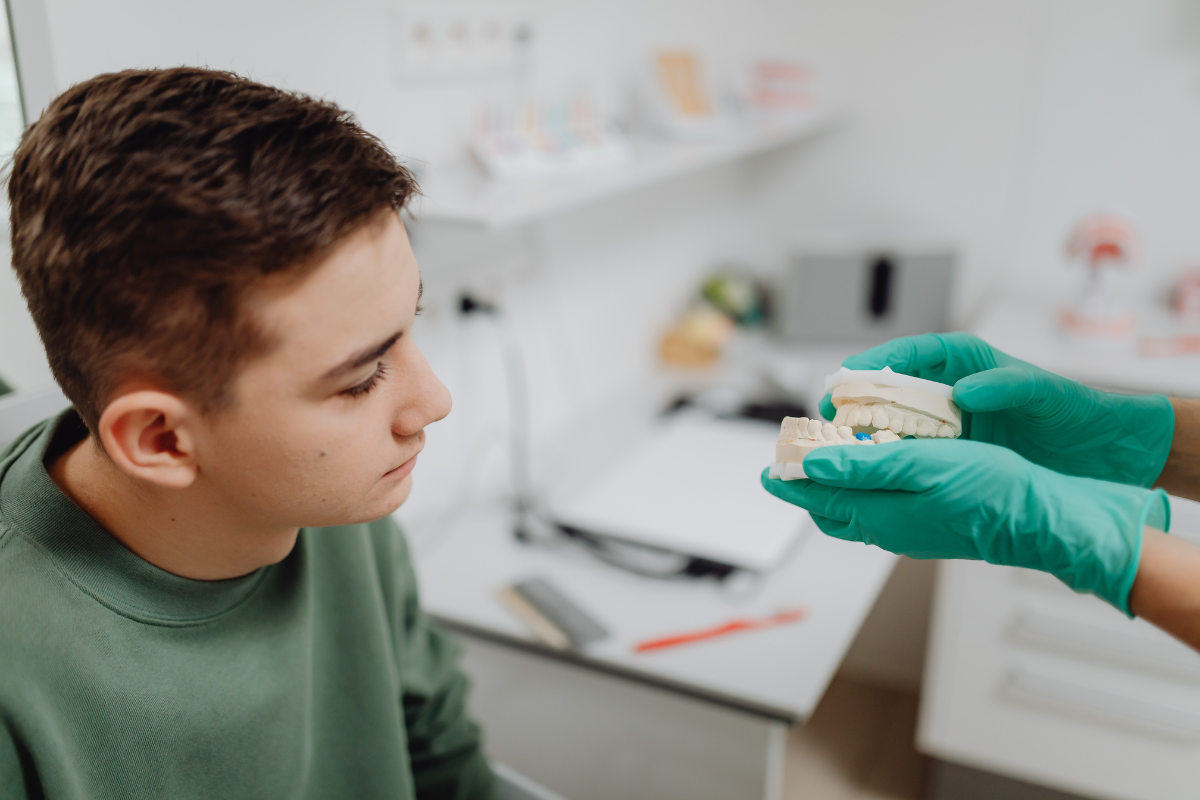
If you’re considering dentures, comfort is probably one of your biggest concerns. Will they feel natural? Can you eat normally? Will people notice you’re wearing them? These are all valid questions that many patients ask when exploring tooth replacement options. At Cove Family Dental in Copperas Cove, Texas, we help patients understand what to expect from dentures and how to achieve the best fit and comfort possible.
This comprehensive guide addresses your most pressing questions about denture comfort and provides practical tips for adjusting to your new smile.
Understanding Modern Dentures
Today’s dentures are far more comfortable and natural-looking than those from years past. Advances in dental technology have created dentures that fit better, look more realistic, and feel more comfortable in your mouth. Modern materials are lighter and more durable, making daily wear much easier.
According to the American Dental Association, millions of Americans wear dentures successfully and enjoy improved quality of life. The key to comfort lies in proper fitting, quality materials, and allowing time for adjustment.
The Initial Adjustment Period
When you first get dentures, they will feel strange in your mouth. This is completely normal and expected. Your mouth needs time to adapt to having something new resting against your gums and palate. Most people adjust within a few weeks, though the timeline varies for each person.
During the first few days, you might experience increased saliva production, minor soreness, and difficulty speaking clearly. These symptoms typically fade as your mouth gets used to the dentures. Patience and practice are essential during this transition period.
Tips for Maximum Denture Comfort
Follow Your Dentist’s Instructions Carefully
Your dentist in Copperas Cove will provide specific care instructions for your dentures. Follow these guidelines exactly to ensure proper healing and fit. Attend all follow-up appointments so adjustments can be made as needed. These visits are crucial for achieving optimal comfort.
Start with Soft Foods
During the first few weeks, stick to soft foods that are easy to chew. Try mashed potatoes, yogurt, scrambled eggs, smoothies, and well-cooked vegetables. Cut food into small pieces and chew slowly using both sides of your mouth. This helps you adapt while preventing sore spots from developing.
Practice Speaking Out Loud
Speaking with dentures takes practice. Read aloud to yourself, count from one to one hundred, or practice tongue twisters. The more you use your voice, the faster you’ll adjust. Your tongue and muscles need to learn how to work with your dentures in place.
Use Denture Adhesive Properly
Quality denture adhesive can significantly improve comfort and stability. Apply a small amount according to the package directions. Don’t use too much, as excess adhesive can ooze out and affect the fit. Your dentist can recommend the best adhesive for your specific dentures.
Keep Your Dentures Clean
Remove and rinse your dentures after eating to prevent food particles from causing irritation. Brush them daily with a soft denture brush and mild soap or denture cleaner. Never use regular toothpaste, as it’s too abrasive and can damage the denture surface.
Give Your Gums a Rest
Take your dentures out for at least four to six hours each day, preferably at night. This gives your gum tissue time to rest and recover from pressure. Soak your dentures in water or a denture solution overnight to keep them moist and maintain their shape.
Massage Your Gums
Gently massage your gums with a soft toothbrush or clean finger after removing your dentures. This stimulates blood flow and helps keep your gum tissue healthy. Rinse your mouth with warm salt water to soothe any tender areas.
Schedule Regular Adjustments
Your mouth changes over time, and your dentures may need adjustments to maintain proper fit. Visit Cove Family Dental regularly for checkups and adjustments. Don’t try to adjust dentures yourself, as you could damage them or hurt your mouth.
Common Comfort Issues and Solutions
Sore spots can develop where dentures rub against your gums. If you experience persistent pain, contact your dentist in Copperas Cove for an adjustment. Never continue wearing dentures that cause significant discomfort.
Loose dentures become more common as your jawbone changes shape over time. Denture relining or replacement may be necessary to restore proper fit. Regular dental visits help catch these issues early before they become major problems.
According to the National Institute of Dental and Craniofacial Research, proper denture care and regular dental visits are essential for long-term comfort and oral health.
Improving Long-Term Comfort
After the initial adjustment period, most people find their dentures quite comfortable. You’ll be able to eat most foods, speak clearly, and smile confidently. Some foods may always be challenging, like sticky candies or very hard items, but you can enjoy a varied and nutritious diet.
Implant-supported dentures offer even greater stability and comfort for many patients. These dentures snap onto dental implants placed in your jawbone, eliminating movement and improving chewing ability. Ask your dentist if this option might be right for you.
Why Choose Cove Family Dental?
At Cove Family Dental on Patriot Cir in Copperas Cove, Texas, we understand that getting dentures is a big decision. Our experienced team takes the time to create dentures that fit properly and feel comfortable from day one. We use quality materials and precise fitting techniques to ensure the best results for every patient.
We also provide ongoing support and adjustments as you adapt to your dentures. Your comfort and satisfaction are our top priorities. When you choose a dentist in Copperas Cove who truly cares about your experience, the difference shows in your results.
Take the Next Step Toward a Complete Smile
Dentures can restore your ability to eat, speak, and smile with confidence. While there is an adjustment period, most patients find that modern dentures are comfortable and functional. With proper care and regular dental visits, you can enjoy your dentures for many years.
Ready to explore your denture options? Schedule a consultation at Cove Family Dental today. Our team in Copperas Cove will answer all your questions, discuss your specific needs, and create a personalized treatment plan. Call our office on Patriot Cir or visit us in person to get started. Don’t let missing teeth hold you back any longer.
Frequently Asked Questions
How long does it take to get used to dentures?
Most people adjust to their dentures within two to four weeks. Some patients adapt more quickly, while others may need a bit longer. The key is patience and following your dentist’s care instructions.
Will dentures change how I speak?
You may have slight difficulty speaking clearly at first, but this improves quickly with practice. Reading aloud and practicing conversations help you adjust faster. Most people speak normally within a few weeks.
Can I eat normally with dentures?
Yes, you can eat most foods with dentures once you’ve adjusted to them. Start with soft foods and gradually add firmer items. Very sticky or extremely hard foods may always be challenging, but you can enjoy a varied diet.
Do dentures hurt?
Well-fitting dentures should not cause pain. Some tenderness during the adjustment period is normal, but persistent pain means you need an adjustment. Contact your dentist if you experience ongoing discomfort.
How often should dentures be replaced?
Dentures typically last five to ten years with proper care. However, your mouth changes over time, so you may need adjustments or replacements sooner. Regular dental checkups help determine when replacement is needed.
Can I sleep with my dentures in?
It’s best to remove your dentures at night to give your gums a rest. This prevents irritation and allows your mouth tissue to recover. Sleeping without dentures also reduces your risk of infections.
What if my dentures feel loose?
Loose dentures are uncomfortable and can cause sore spots. Contact your dentist for an adjustment or relining. As your jawbone changes shape over time, your dentures may need modifications to maintain proper fit.
Are there different types of dentures available?
Yes, options include full dentures, partial dentures, and implant-supported dentures. Your dentist will recommend the best type based on how many teeth you’re missing, your jawbone condition, and your budget.

