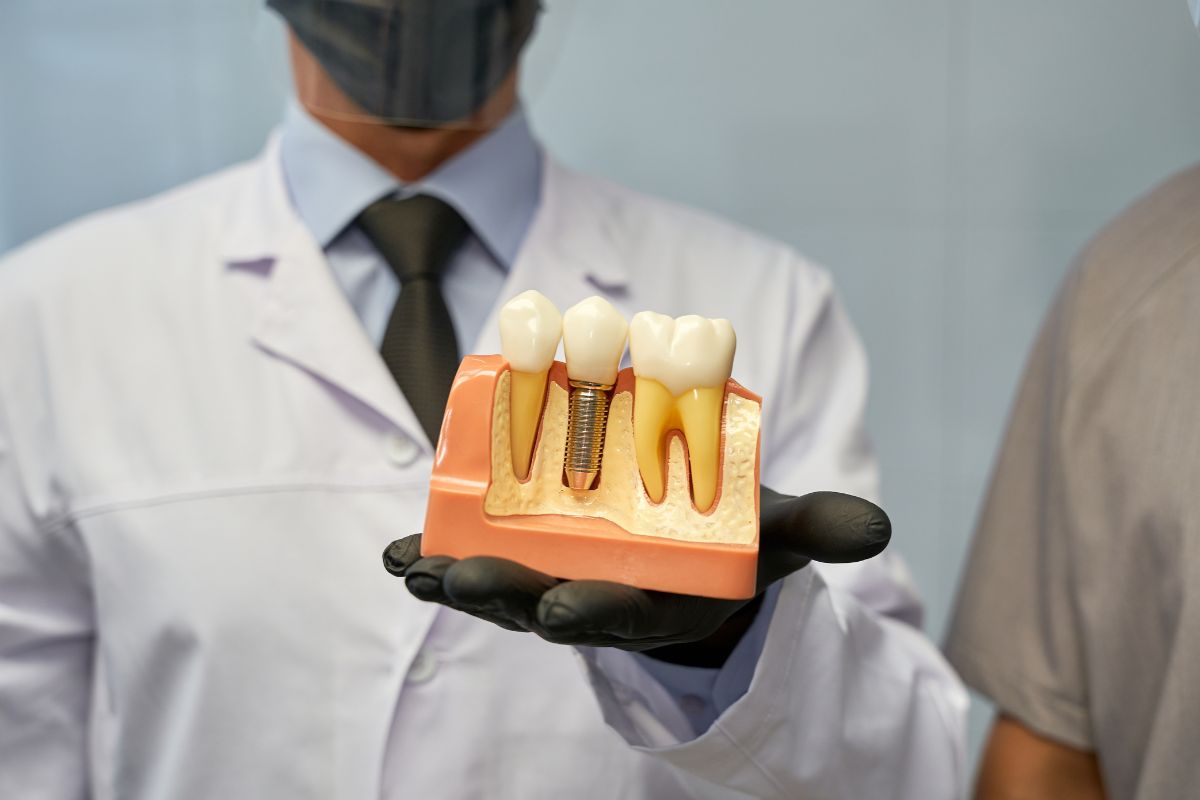
Yes, many people with bone loss can still receive dental implants. The amount and location of bone loss determine which treatment approach may be most appropriate. Tooth loss often creates two problems instead of one. The missing tooth is easy to notice, but what many people do not realize is that the jawbone underneath can begin shrinking soon afterward. For years, people with bone loss were often told that implants were not an option. Today, that is no longer true in many cases.
Advances in implant dentistry have changed what is possible. Even patients who have experienced noticeable bone loss may still qualify for treatment through careful planning and modern techniques. The key is understanding what caused the bone loss, how much bone remains, and what solutions may help rebuild a strong foundation for a replacement tooth.
At Cove Family Dental, patients receive guidance based on real clinical experience and individualized evaluations. Dr. Brandon Grantham believes that every patient deserves a thorough assessment before assuming implants are off the table. If you are dealing with missing teeth and wondering whether implants are still possible, we encourage you to visit our dental office to discuss your options and receive a personalized treatment plan.
Why Does Bone Loss Happen After Losing a Tooth?
The jawbone depends on stimulation from tooth roots to maintain its strength. When a tooth is lost, that stimulation disappears, and the bone gradually begins to shrink.
Think of the jawbone like a muscle that needs regular activity. Once a tooth is removed or lost, the bone in that area no longer serves the same purpose. The body naturally redirects resources elsewhere, causing the bone to become thinner over time.
Several factors can accelerate this process:
- Missing teeth left untreated for years
- Advanced gum disease
- Dental trauma
- Chronic infections
- Long-term use of traditional dentures
- Tobacco use
Because bone loss usually occurs gradually, many people do not notice it until they begin exploring tooth replacement options.
What Are the Signs of Jawbone Loss?
Bone loss often develops silently, but certain physical changes can indicate that the jaw is shrinking.
Common signs include:
- Loose-fitting dentures
- Changes in facial appearance
- Increased wrinkles around the mouth
- Difficulty chewing certain foods
- Shifting neighboring teeth
- Receding gums near missing teeth
Some people notice that their face appears shorter or more sunken than before. These changes occur because the jawbone helps support facial structures.
Whether someone is enjoying lunch with friends near the historic downtown district or attending one of Highland’s well-known community gatherings, the ability to eat comfortably and smile confidently plays an important role in everyday life.
Why Does Bone Matter for Dental Implants?
Implants need adequate bone support because the implant functions as an artificial tooth root. Without sufficient support, long-term stability can become more challenging.
After placement, an implant bonds directly with the jawbone through a natural process called osseointegration. This connection helps create a stable foundation for chewing, speaking, and smiling.
Bone Quantity vs. Bone Quality
Many patients focus only on how much bone they have left. However, dentists also evaluate bone quality.
| Factor | Why It Matters |
|---|---|
| Bone Quantity | Determines available space for implant placement |
| Bone Quality | Influences stability and healing |
| Bone Location | Affects treatment planning |
| Gum Health | Supports long-term implant success |
How Can Bone Loss Be Treated Before Implant Placement?
Bone grafting is one of the most effective ways to rebuild areas where bone has been lost. This procedure can create a stronger foundation for future implants.
Bone grafting encourages the body to generate new bone in areas where additional support is needed.
The procedure may help:
- Restore lost bone volume
- Improve implant stability
- Preserve facial structure
- Expand treatment possibilities
Many people researching dental implants in Copperas Cove discover that bone grafting opens doors they thought had already closed.
Healing periods vary because every patient heals differently. The amount of regeneration required also influences treatment timelines.
Are There Alternatives to Bone Grafting?
Yes. Depending on the patient’s anatomy, alternative implant approaches may reduce the need for extensive bone rebuilding.
Advances in technology allow dentists to use creative solutions for patients with bone loss.
Short Implants
These implants require less vertical bone and may be suitable in select situations.
Strategic Implant Placement
Sometimes the strongest remaining bone can be used by adjusting implant positioning.
Implant-Supported Dentures
Patients missing multiple teeth may benefit from implant-supported restorations that provide stability while using fewer implants.
Digital Treatment Planning
Three-dimensional imaging helps identify bone structures that may not be visible with traditional methods.
This level of planning allows dentists to evaluate possibilities with greater precision than ever before.
What Happens If You Wait Too Long?
Bone loss generally continues over time. Delaying treatment may reduce future options and make treatment more complex.
The longer a tooth remains missing, the more bone can disappear from that area.
Potential consequences include:
- Continued bone shrinkage
- Additional tooth movement
- Changes in bite alignment
- Increased difficulty chewing
- More extensive future treatment needs
Many patients wish they had sought an evaluation sooner rather than assuming nothing could be done.
Early action often provides the greatest flexibility.
How Is Implant Candidacy Determined?
A comprehensive examination is the only reliable way to determine whether implants are possible when bone loss is present.
The evaluation process typically includes:
- Detailed dental examination
- Digital imaging
- Bone measurements
- Gum health assessment
- Medical history review
- Discussion of treatment goals
At Cove Family Dental, treatment recommendations are based on objective findings rather than assumptions. Every patient’s situation is carefully evaluated before discussing solutions.
For individuals considering dental implants in Copperas Cove, this personalized approach often reveals options they did not realize existed.
Discover Your Perfect Option With a Personalized Evaluation
If you have been told you have bone loss, do not assume your opportunity for the implant treatment has passed. Implant dentistry has evolved significantly, and many patients who once had limited choices now have several pathways to restoring their smiles.
The most accurate answer comes from a thorough diagnostic evaluation, not a general assumption based on age, previous dental history, or information found online. At Cove Family Dental, we help patients understand their oral health, evaluate their jawbone condition, and explore treatment options that fit their unique needs. If you are ready to learn what is possible, book an appointment for a comprehensive assessment.

