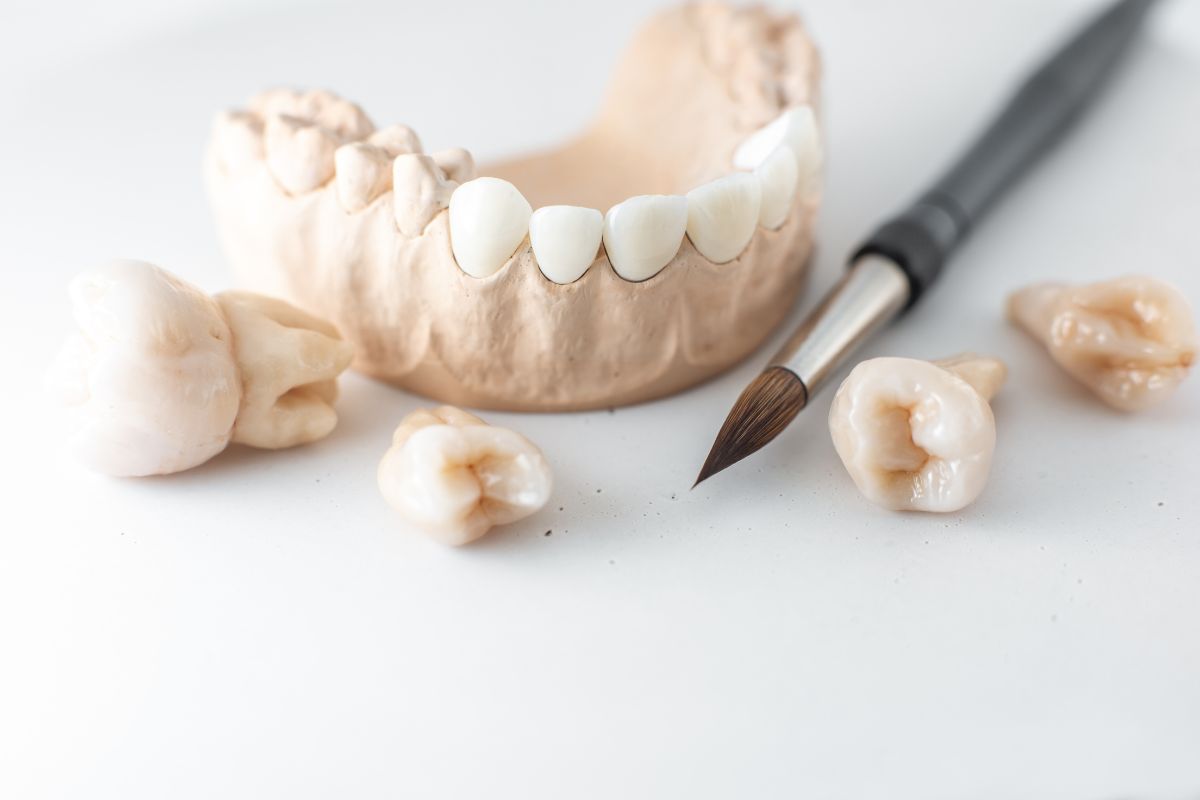
Dental restorations are made to bring comfort, function, and confidence back to your smile. Whether it’s a crown, filling, bridge, or veneer, the goal is always the same—repair damage and help your teeth last longer.
But like anything that sees daily use, restorations can run into issues over time. A crown might feel loose, a filling could crack, or a veneer may start to separate from the tooth. These problems can happen gradually or all of a sudden, but in most cases, they’re preventable with the right care and awareness.
In this post, we’ll walk through the most common problems we see with dental restorations and how you can keep yours lasting as long as possible.
Top 5 Problems with Dental Restorations and How to Prevent Them
1. Loose or Worn-Out Crowns
Symptoms: You might notice a bit of shifting when you bite down, sensitivity to hot or cold, or even a space where the crown meets the gum.
Crowns are built to be strong, but over time, the cement that holds them in place can weaken. Grinding, clenching, or chewing really hard foods can also wear away the edges or cause the crown to become loose.
Prevention:
If you tend to grind your teeth at night, wearing a night guard can go a long way in protecting both natural teeth and restorations. Regular dental checkups help us catch early signs of wear or damage before the crown becomes unstable. And when it comes to food, try to avoid chewing ice or hard candies, which can put a lot of stress on the crown.
2. Cracked or Leaking Fillings
Symptoms: A sudden jolt of sensitivity, a sharp edge you didn’t notice before, or a filling that just doesn’t feel quite right anymore.
Fillings, especially older ones, can start to crack or pull away from the edges of the tooth. When that happens, bacteria can sneak in and cause decay underneath, even if everything looks fine on the surface.
Prevention:
The best way to avoid cracked fillings is to keep up with routine exams. Your dentist can spot signs of wear before they turn into bigger problems. It also helps to treat fillings like you would natural enamel, chew mindfully, don’t use your teeth to open things, and brush and floss every day to keep bacteria in check.
3. Veneers That Start to Lift or Chip
Symptoms: A small edge that seems raised, or a section of the veneer that looks duller or rougher than before.
Porcelain veneers are strong, but not indestructible. Over time, habits like nail biting, grinding, or even using whitening products not meant for restorations can wear away at the bonding or surface. That’s when chipping or lifting can happen.
Prevention:
Protect your investment by treating veneers gently. Avoid biting into hard foods with your front teeth and skip whitening products unless we’ve cleared them for use. If you notice even the slightest change in how your veneer feels, don’t wait to have it checked—it’s easier to re-bond a veneer early than to replace it entirely.
4. Sensitivity or Discomfort After a Restoration
Symptoms: A lingering zing of sensitivity when eating or drinking, or a bite that feels slightly off.
Some sensitivity is normal right after a new filling or crown, but if it lasts longer than a week or two, it could mean the bite needs adjusting or there’s irritation in the tooth.
Prevention:
Let us know if something feels off after a dental visit. A small adjustment is often all it takes to relieve discomfort. And if you’re prone to sensitivity in general, your dentist may suggest specific toothpaste or fluoride treatments to help calm things down.
5. Staining or Discoloration Around Restorations
Symptoms: Dark edges around a crown, or a filling that stands out more than it used to.
While porcelain and composite materials are stain-resistant, they’re not completely immune. Over time, habits like drinking coffee, tea, red wine, or smoking can cause discoloration, especially around the edges where restoration meets natural enamel.
Prevention:
Sticking to a good oral hygiene routine is key. Brushing twice a day with a non-abrasive toothpaste, flossing daily, and visiting for cleanings can help restorations stay looking their best. If you’re concerned about stains, ask us about polishing or touch-up options that can brighten things back up.
Why Regular Checkups Matter Even When Nothing Feels Wrong
Restorations can feel so natural that it’s easy to forget they’re even there. But just like a car needs a tune-up even when everything seems fine, dental work benefits from regular check-ins to stay in top shape.
Even small issues like slight wear, looseness, or changes in bite can lead to bigger problems over time if they’re left alone. Routine exams make it easier to spot these early and deal with them before they turn into something more complicated. Staying ahead of potential problems can help restorations last longer and reduce the need for unexpected repairs.
Contact Us For Your Dental Restoration in Copperas Cove
If you are looking for restorative dentistry in Copperas Cove or your restorations like filling, crown, or veneer causing problems, we’re here to help.
Dental restorations don’t have to be high maintenance, but they do need a little attention from time to time. With consistent care and a few simple habits, they can last longer and keep your smile feeling strong and looking natural.
Contact us today to schedule your appointment. We’re here to keep your smile healthy and your restorations lasting.

