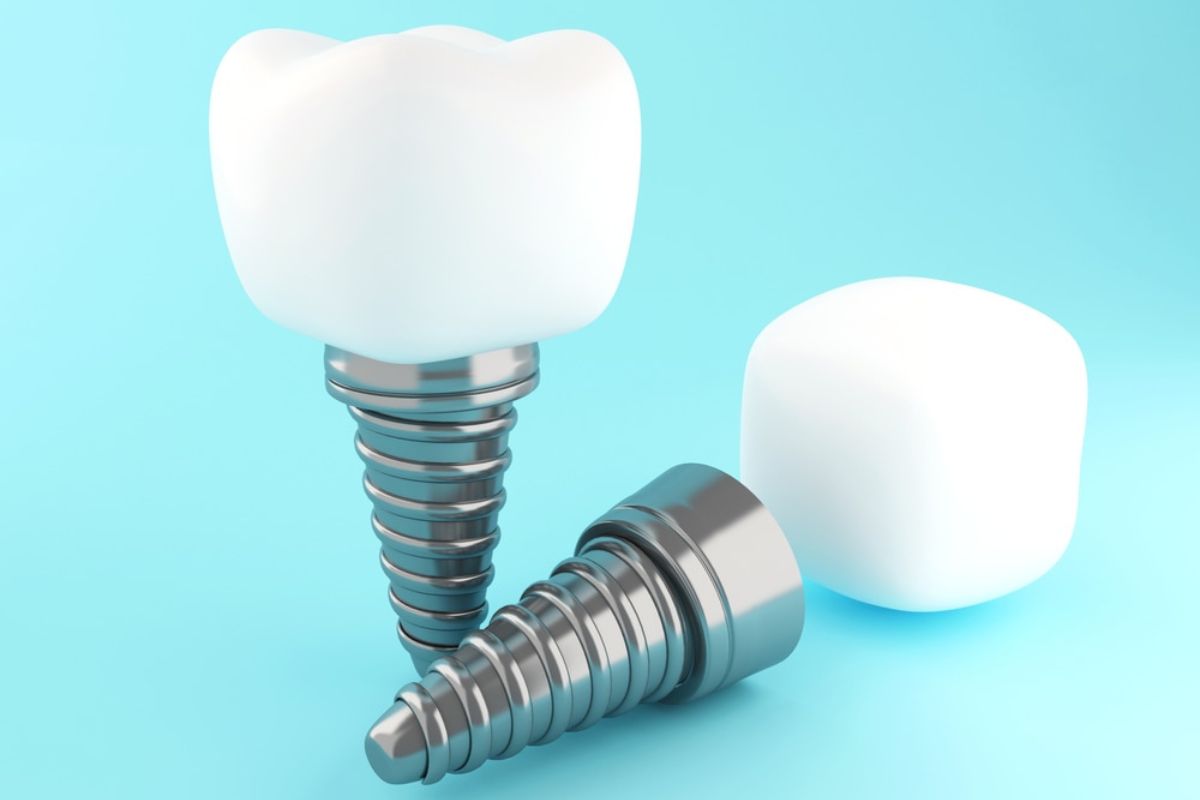
If you had a tooth removed years ago and never replaced it, you’re not alone. Many people wait months or even years before exploring replacement options. It’s often not too late to get a dental implant.
At Cove Family Dental, we regularly meet patients wondering if too much time has passed since their extraction. The answer depends on a few things, but in many cases dental implants can still be a great solution — even years later.
Why Replacing a Missing Tooth Matters
After a tooth is removed, the empty space might not seem like a big deal, especially if it’s in the back of the mouth. But over time, a missing tooth can cause more problems than you might expect:
- Shifting Teeth: The teeth next to the gap can begin to move, leading to misalignment or bite issues.
- Bone Loss: Without a tooth root in place, the jawbone in that area begins to shrink — sometimes significantly.
- Chewing Changes: You may avoid chewing on that side of your mouth, which can lead to uneven wear or even jaw discomfort.
- Speech Changes: Depending on where the tooth is missing, it can affect how clearly you speak.
- Appearance: Over time, bone loss can affect your facial shape, especially if multiple teeth are missing.
Can You Still Get a Dental Implant Years Later?
In many cases, dental implants can still be placed years after a tooth has been extracted. However, the longer you wait, the more likely it is that the jawbone in that area has shrunk.
If you are considering dental implants, the dentist will assess your:
1. Bone Health & Jaw Condition
We’ll take a digital X-ray or 3D scan to see how much bone is available. If the bone has thinned too much, we may recommend a bone graft, a routine procedure that rebuilds the bone to properly support a dental implant.
2. Gum Health
Healthy gums are essential for a successful implant. If there’s been gum recession or past gum disease, we’ll evaluate the area and treat it if necessary before proceeding.
3. Overall Health
Certain medical conditions or medications can impact healing. We’ll talk with you about your health history to ensure you’re a good candidate for implant surgery.
4. Time & Budget
Every patient has different needs and goals. We’ll walk you through the steps, the timeline, and the cost involved so you can make an informed decision — no pressure.
What If You Need a Bone Graft?
Bone grafting sounds like a big deal, but it’s actually a common step in implant treatment when there’s been bone loss. It helps build up the area where the implant will be placed, giving it a strong foundation.
Depending on the type of graft needed, it can sometimes be done at the same time as the implant — or it may require a few months of healing before the implant is placed.
Benefits of Getting a Dental Implant — Even Years Later
Choosing to replace a missing tooth with a dental implant can still make a big difference in your daily life, even after years. Some of the long-term benefits include:
- Restored chewing power — enjoy your favorite foods again.
- Natural appearance — implants look and feel like real teeth.
- Prevent bone loss — implants help maintain your jaw structure.
- No shifting teeth — keep your bite aligned and stable.
- Improved confidence — smile freely without hiding gaps.
Unlike bridges or dentures, implants are fixed in place and don’t rely on surrounding teeth for support. With proper care, they can last for decades.
What’s the First Step?
If you’re considering Dental Implants in Copperas Cove, book a consultation with us. We’ll take a close look at your mouth, answer your questions, and help you understand your options.
Even if it’s been five, ten, or twenty years since your extraction, you might still be a candidate for implants. And if not, we’ll walk you through other choices that suit your needs.
Let’s Talk About Your Smile
At Cove Family Dental, we’re here to help you feel confident and comfortable with your care. If you’ve been living with a missing tooth, now might be the perfect time to take the next step.
Visit us today and let us help you decide if dental implants is right for you.

