A healthy smile helps you eat well, speak clearly, and feel more confident. Still, many people are unsure if braces are the right step. You might even search for a dentist near your hometown and still feel confused about what to do next. This guide breaks it down in a simple and clear way so you can make the right choice for your dental health.
What Are Braces and How Do They Work?
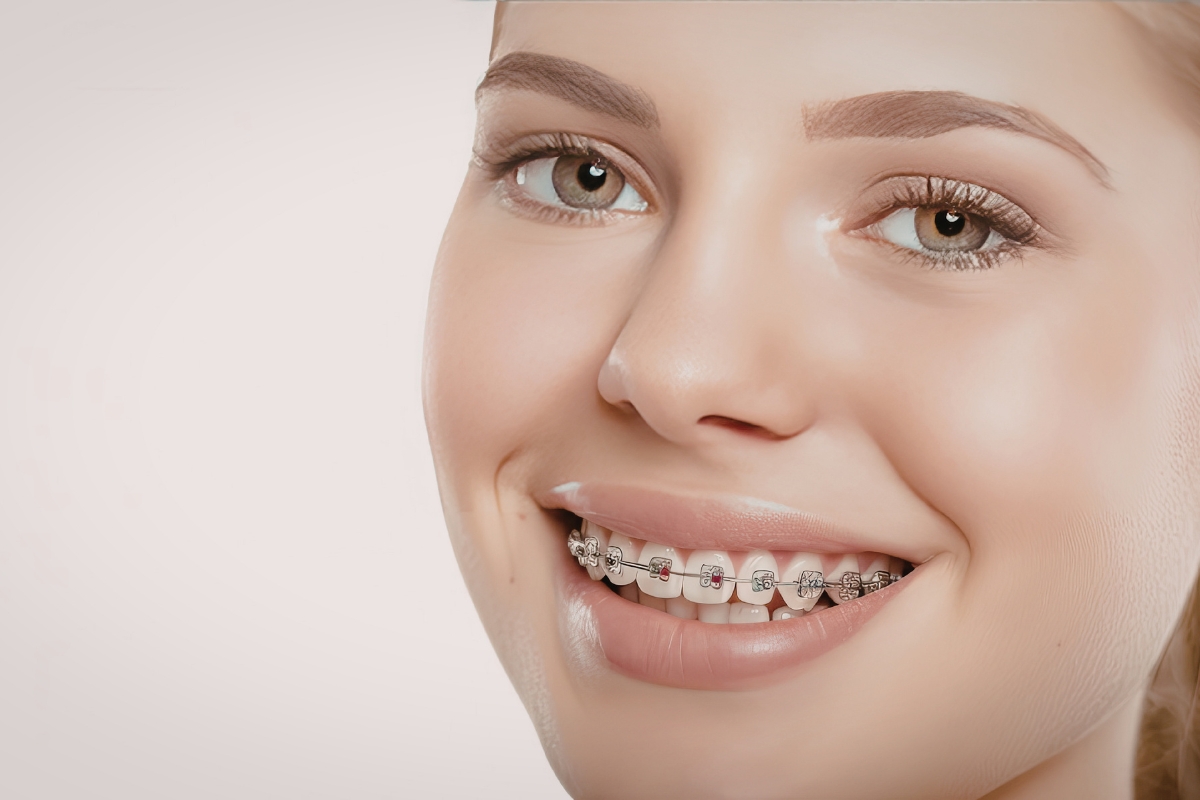
Braces are tools that move your teeth into the right position over time. They use small brackets and wires to apply gentle pressure. A trained dentist or orthodontic provider adjusts them slowly so your teeth shift in a safe and steady way.
Braces can correct:
- Crooked teeth
- Gaps between teeth
- Bite problems like overbite or underbite
- Jaw alignment issues
These changes do more than improve how your smile looks. They help protect your teeth from damage and wear.
Signs You May Need Braces
Not everyone needs braces, but there are clear signs that point to them.
1. Teeth That Are Crowded or Twisted
When teeth overlap, it becomes hard to clean them well. This can lead to plaque buildup. You can read more about proper oral care from the CDC oral health guide.
2. Bite Feels Off
If your teeth do not meet the right way, it may cause uneven pressure. Over time, this can lead to jaw pain or worn teeth.
3. Trouble Chewing or Speaking
Teeth play a big role in how you talk and chew. Poor alignment can make daily tasks harder.
4. Gaps That Affect Function
Spaces between teeth may trap food and affect your bite balance.
If you notice these issues, it is wise to seek advice from a dental professional.
Why Braces Are Still a Trusted Option
Many new treatments exist, but braces remain a reliable choice. They work well for both simple and complex problems.
Braces offer:
- Precise control over tooth movement
- Strong and lasting results
- Effective care for all age groups
Many people begin their search with a dentist near me to find a provider who can explain their options. The American Association of Orthodontists also supports braces as a proven treatment method.
Who Can Benefit from Braces?
Braces are not just for teens. They can help people at many stages of life.
Children and Teens
Early care can guide how the jaw grows. This helps prevent bigger issues later.
Adults
Adults often choose braces to fix problems that were not treated earlier. Modern braces are more comfortable and less noticeable. A skilled dentist will review your teeth and suggest the best plan for your needs.
What Happens During Braces Treatment?
Knowing what to expect can make the process easier.
Initial Visit
Your provider checks your teeth and may take X-rays or scans. This helps build a clear plan.
Getting Braces
Brackets are placed on your teeth, and wires are added to guide movement.
Follow-Up Visits
You return every few weeks for small changes that keep progress on track.
After Braces
Once treatment ends, you will wear a retainer to keep your teeth in place.
Most treatments take one to two years, depending on the case.
Benefits of Choosing Braces
Braces do more than improve appearance.
- Easier brushing and flossing
- Lower risk of cavities and gum disease
- Better bite and jaw comfort
- Boost in self-confidence
These benefits support both short-term comfort and long-term health.
Frequently Asked Questions
1. Do braces hurt?
You may feel slight pressure after adjustments, but it usually goes away quickly.
2. How long will I need braces?
Most people wear them for 12 to 24 months.
3. Can adults get braces?
Yes, many adults choose braces for both health and cosmetic reasons.
4. What foods should I avoid?
Stay away from sticky and hard foods that can damage brackets.
5. How do I keep braces clean?
Brush after meals and use tools made for cleaning around braces.
6. Will I need a retainer?
Yes, retainers help keep your teeth in their new position.
7. Are braces better than aligners?
Braces are often better for complex cases, while aligners work well for mild issues.
Conclusion: Take the Next Step with Confidence
Choosing braces is a personal decision, but the benefits are clear when they are needed. They help improve both function and appearance, making daily life easier and more comfortable.
If you think braces might be right for you, it is time to schedule an consultation and get expert advice. You can also contact a local dental office to learn about your options and start your journey toward a healthier smile.
Clear guidance and the right care team can help you make a choice that feels right for you.

