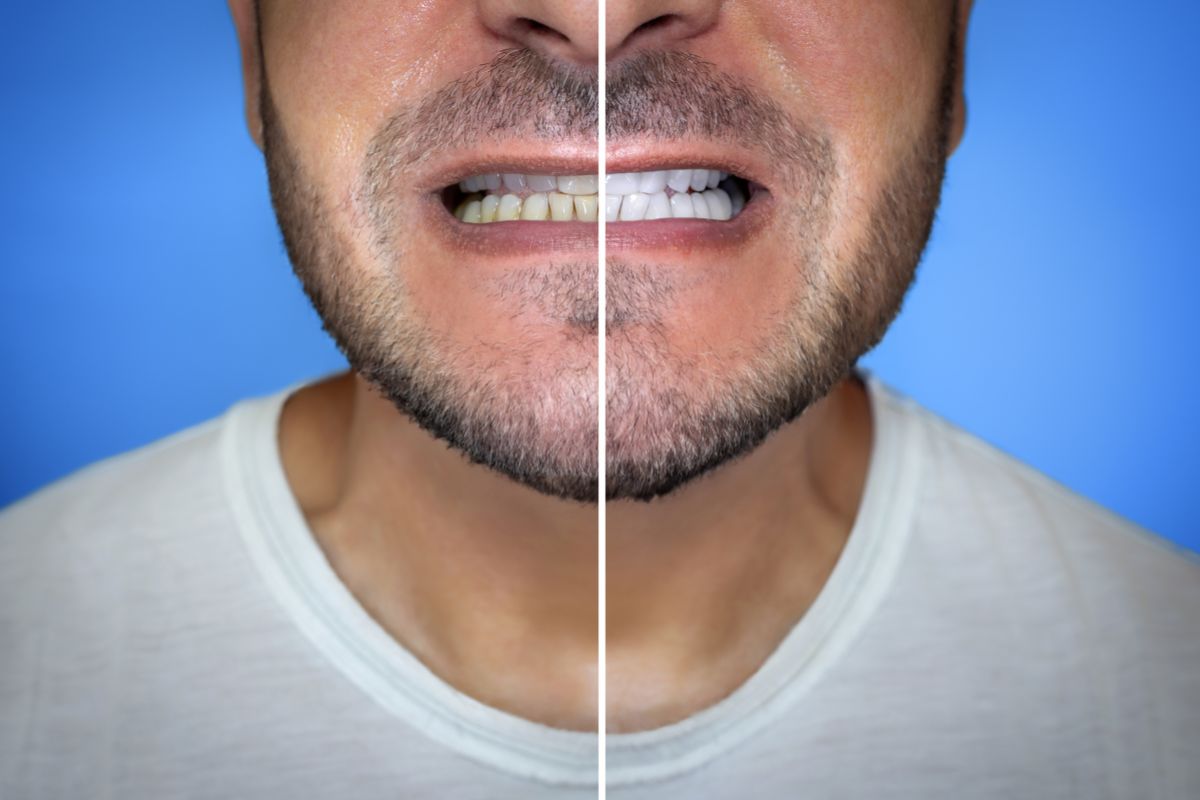
Can a small chip, gap, or stain change the way you feel about your smile? For many people, the answer is yes. Even minor cosmetic concerns can make you feel less confident during conversations, photos, or social events. At the same time, many patients hesitate because they are unsure if treatment is necessary or if a conservative option can provide natural-looking results.
At Cove Family Dental, these are some of the most common questions patients ask when considering dental bonding in Copperas Cove. The right treatment depends on your smile goals, the condition of your teeth, and your overall oral health. This guide explains when this procedure is recommended, who benefits the most, how it compares with other cosmetic treatments, and what you should know before making a decision.
Why Do So Many Patients Choose Dental Bonding for Minor Smile Imperfections?
Tooth bonding is commonly recommended to correct small cosmetic concerns while preserving as much of the natural tooth structure as possible.
Many cosmetic treatments require more extensive preparation. Bonding differs in that it focuses on improving a tooth’s appearance without unnecessarily altering healthy enamel.
This treatment is commonly used to improve:
- Small chips or minor cracks
- Tiny gaps between teeth
- Mild discoloration
- Uneven tooth edges
- Teeth that appear slightly worn
- Small cosmetic imperfections that affect smile symmetry
For patients who want noticeable improvements without extensive treatment, this conservative approach is often worth discussing during a consultation.
How Do You Know If You Are a Suitable Candidate?
The ideal candidate has healthy teeth and gums with relatively minor cosmetic concerns.
A thorough examination is always the first step because every smile is different. During your appointment, your provider evaluates your oral health, bite alignment, enamel quality, and cosmetic goals before recommending treatment.
You may be an appropriate candidate if you have:
- Healthy teeth without extensive decay
- Strong enamel
- Small cosmetic defects
- Minor spacing between teeth
- Slight shape irregularities
- Localized discoloration
However, if a tooth has significant structural damage, large fillings, severe discoloration, or advanced wear, another restorative option may provide a better long-term result.
When Is Dental Bonding Not the Right Treatment?
Bonding is designed for minor cosmetic improvements, not every dental condition.
One misconception is that this procedure can correct every cosmetic concern. While it is highly effective in many situations, it also has limitations.
Your provider may recommend another treatment if you have:
- Extensive tooth fractures
- Severe enamel wear
- Large areas of decay
- Major bite problems
- Missing teeth
- Significant discoloration affecting several teeth
Rather than recommending a single procedure for everyone, a comprehensive evaluation identifies the option that best supports both appearance and long-term function.
How Does Dental Bonding Compare With Veneers and Crowns?
Bonding preserves more natural tooth structure, while veneers and crowns address more complex cosmetic or structural concerns.
Choosing the right treatment depends on what needs to be corrected rather than selecting the most popular cosmetic option.
| Treatment | Common Purpose | Tooth Preparation | Ideal For |
|---|---|---|---|
| Dental bonding | Minor cosmetic corrections | Minimal | Chips, gaps, slight discoloration |
| Veneers | Smile enhancement | Moderate | Multiple cosmetic concerns |
| Crowns | Tooth restoration | Extensive | Severely damaged or weakened teeth |
For example, someone with one chipped front tooth may only need bonding. A patient with multiple worn or heavily stained teeth may benefit more from veneers or crowns.
The recommendation should always be based on clinical findings rather than cosmetic preference alone.
What Should You Expect During the Procedure?
Most bonding treatments are completed in one visit and usually involve little or no discomfort.
The appointment is straightforward and generally includes the following steps:
- Selecting a composite shade that matches your natural teeth.
- Preparing the tooth surface.
- Applying a bonding agent.
- Sculpting the composite resin.
- Hardening the material with a curing light.
- Polishing the tooth for a natural finish.
Because only minimal preparation is required, anesthesia is often unnecessary unless another restorative procedure is being completed during the same visit.
How Long Can Dental Bonding Last With Proper Care?
The lifespan depends on oral habits, bite forces, and daily maintenance, but proper care helps preserve both appearance and function.
Many patients ask whether the restoration will last. While no cosmetic treatment lasts forever, consistent home care plays an important role.
Simple habits that protect your restoration include:
- Brushing twice each day
- Flossing daily
- Avoiding chewing on ice or hard objects
- Wearing a nightguard if you grind your teeth
- Scheduling regular preventive visits
Patients who receive dental bonding in Copperas Cove often find that maintaining healthy oral habits helps their restorations continue to look natural for years.
Should You Treat a Small Cosmetic Problem or Wait?
Not every cosmetic concern requires immediate treatment, but delaying an evaluation may allow some problems to become more complicated.
Many people assume that a tiny chip or rough edge is purely cosmetic. Sometimes that is true.
However, a small fracture may continue wearing over time. A rough edge may collect plaque more easily or continue to chip during normal chewing.
Seeking an evaluation does not automatically mean treatment is necessary. It simply allows your provider to determine whether monitoring or treatment is the more appropriate approach.
This helps patients make informed decisions instead of guessing based on internet advice alone.
Restore Your Smile With Professional Guidance
Cosmetic dentistry is not about making every smile look the same. It is about choosing the treatment that fits your individual needs while protecting healthy tooth structure whenever possible.
If you are considering cosmetic improvements, schedule a consultation at Cove Family Dental. Dr. Grantham will evaluate your smile, explain your treatment options, and help you determine whether bonding or another cosmetic procedure is the most appropriate choice for your goals.
Frequently Asked Questions
1. Does bonding look natural after treatment?
Yes, modern composite materials are available in many shades, allowing the restoration to closely match surrounding teeth. Careful shaping and polishing also help the treated tooth blend naturally with the rest of your smile.
2. Can bonding become stained over time?
Composite resin may gradually stain from coffee, tea, tobacco, and similar products. Good oral hygiene, routine cleanings, and healthy lifestyle habits help maintain its appearance. If discoloration develops, your provider can determine whether polishing or replacement is appropriate.
3. Is the procedure painful?
Most patients remain comfortable because very little tooth preparation is necessary. Local anesthesia is only needed in certain situations, such as when the procedure is combined with restorative treatment or involves decay.
4. Can a bonded tooth be repaired if it chips again?
Yes, Small areas of damage can often be repaired without replacing the entire restoration. An examination allows your provider to determine the most appropriate option while preserving as much of the existing restoration as possible.
5. How can I tell if bonding is the right cosmetic treatment for me?
The answer depends on your oral health, cosmetic goals, tooth condition, and bite. A comprehensive evaluation provides the information needed to compare available treatment options and choose the one that supports both appearance and long-term oral health.

