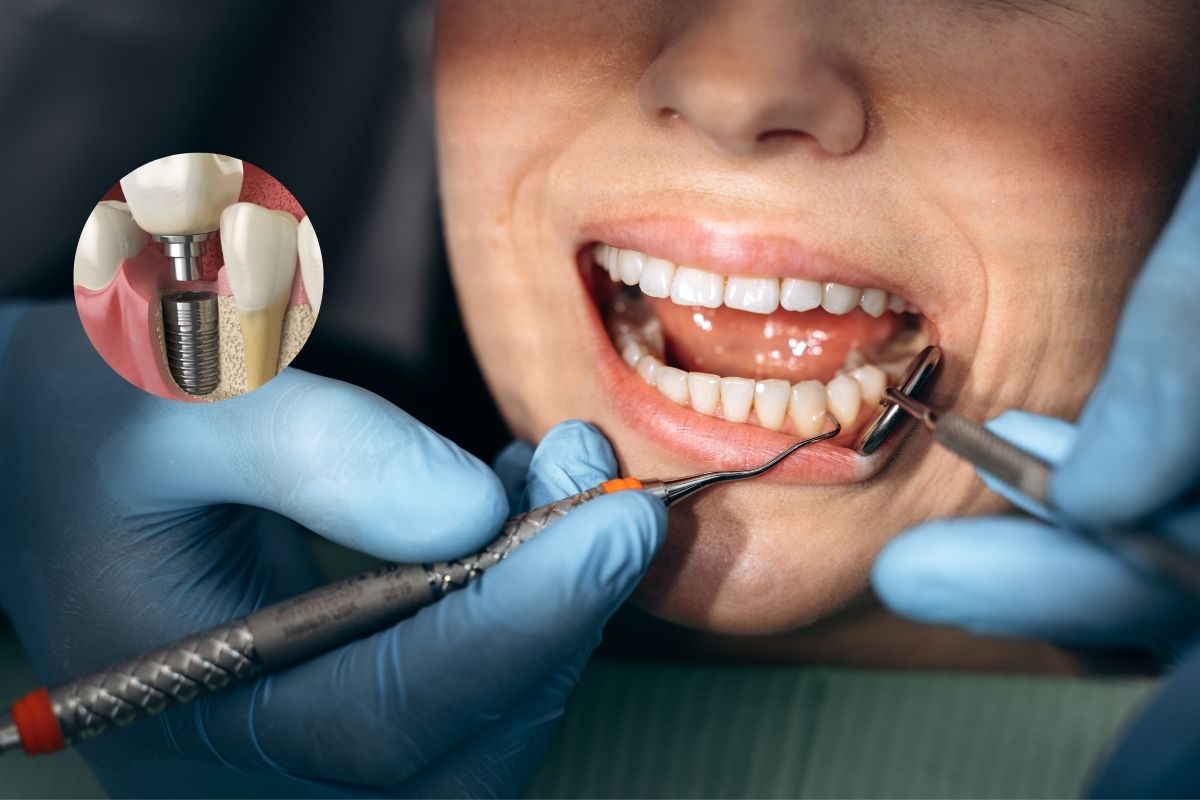
Periodontitis often creates deep anxieties about permanent tooth loss, leaving many patients wondering if their jaw can ever support a fixed full-arch restoration. The direct answer is yes, you can successfully receive dental implants after active gum disease is properly treated and controlled. While active infection weakens supporting structures, modern periodontal therapy and precision 3D CT imaging restore soft tissue stability and jawbone density to create a healthy foundation.
According to data from the Centers for Disease Control and Prevention (CDC), nearly 47.2% of adults aged 30 and older in the United States suffer from some form of periodontal disease. When left unchecked, bacteria destroy the attachment fibers and alveolar bone holding your natural roots in place. Fortunately, suffering from gum infection in the past does not permanently disqualify you from permanent tooth replacement.
At Cove Family Dental, Dr. Brandon Grantham provides specialized restorative strategies using precise 3D CT imaging to rebuild lost tissue and anchor stable restorations.
How Gum Disease Impacts Dental Implant Success
Active periodontal disease is the primary cause of adult tooth loss and poses a direct threat to the stability of any titanium post. When harmful bacteria accumulate beneath the gumline, they trigger chronic inflammatory responses that gradually dissolve the underlying jawbone structure.
Placement of a titanium root requires solid, uninfected bone to complete a process called osseointegration, where the living bone fuses directly to the implant surface. If chronic inflammation persists during surgical placement, pathogens invade the surgical site and trigger peri-implantitis, an inflammatory condition similar to periodontitis that destroys the supporting bone surrounding an implant.
However, managed periodontitis changes the landscape entirely. Once active infection is eliminated through targeted deep cleanings, advanced laser dentistry, or localized antimicrobial therapy, soft tissues reattach tightly around natural teeth and clean jawbone sites. This creates a sterile, stable environment where placement of dental implants in Copperas Cove can achieve high success rates comparable to non-periodontal patients.
Essential Steps Before Getting Implants with a History of Periodontitis
Transforming an infected oral environment into an ideal implant candidate requires a structured, multi-phase clinical approach. Skipping foundational periodontal therapy inevitably leads to early implant failure, making systematic preparation non-negotiable for long-lasting health.
- Non-Surgical Periodontal Debridement: Scaling and root planing procedures meticulously eliminate hardened calculus and bacterial toxins from deep subgingival pockets.
- Tissue Regeneration & Bone Grafting: Biocompatible grafting materials rebuild eroded alveolar bone height, creating the exact volume necessary to secure a titanium foundation.
- Laser-Assisted Therapy: Precision dental lasers sanitize diseased pocket linings without injuring healthy surrounding collagen or healthy bone tissue.
- Rigorous Periodontal Maintenance: Enrolling in a customized three-month hygiene protocol stabilizes the oral microbiome prior to any surgical incision.
Comparing Tooth Replacement Solutions After Gum Disease
| Treatment Option | Bone Preservation | Oral Bacteria Resistance | Treatment Phase Requirements |
|---|---|---|---|
| Titanium Dental Implants | High (Stimulates jawbone density) | High (Non-porous biocompatible post) | Pre-treatment periodontal clearance required |
| Traditional Bridges | Low (Bone degrades beneath pontic) | Moderate (Prone to recurrent decay) | Minimal tissue prep, depends on anchor teeth |
| Removable Dentures | None (Accelerates bone resorption) | Low (Traps food particles and plaque) | Basic extractions and soft tissue healing |
Modern Technology and Implant Techniques for Complex Cases
Advanced diagnostic tools allow modern practitioners to navigate compromised jawbones with extreme precision. Rather than relying solely on traditional two-dimensional X-rays, modern practices utilize advanced 3D CT imaging to construct digital spatial maps of your entire facial skeleton.
These three-dimensional scans reveal hidden bone density variations, nerve paths, and sinus cavity floors down to the millimeter. Using this computer-generated roadmap, your provider designs custom surgical guides that direct the titanium root into the densest available bone structure, avoiding weakened zones previously damaged by periodontitis.
For patients who have suffered widespread bone degradation across an entire arch, specialized techniques like All-on-4 implant dentures offer a transformative alternative. By tilting posterior posts at precise angles, clinicians anchor a full, non-removable bridge using just four strategically located pillars. This maximizes contact with existing bone volume and often eliminates the necessity for extensive bone augmentation surgeries.
Protecting Your Investment: Preventing Peri-Implantitis
Maintaining your newly restored smile requires daily vigilance and professional oversight, especially if you have a genetic predisposition to periodontal conditions. Peri-implantitis remains the leading threat to long-term implant survival, but proactive habits keep infection at bay.
Whether you enjoy exploring local parks along Ogletree Gap or grabbing Texas-style barbecue near Avenue D, maintaining your oral health fits seamlessly into your daily routine. Unlike natural teeth, dental prosthetic crowns cannot develop cavities, yet the surrounding gum collar remains susceptible to bacterial plaque accumulation.
- Dedicated Interdental Cleaning: Use specialized interdental brushes, water flossers, or soft picks to clean around the abutments daily.
- Low-Abrasive Cleaning Agents: Brush twice daily with non-abrasive toothpaste to avoid scratching polished titanium and porcelain surfaces.
- Quarterly Periodontal Cleanings: Schedule professional supportive therapy every three to four months to disrupt subgingival biofilm.
- Nightguard Protection: Wear a custom occlusal guard if you grind your teeth, preventing excessive force on fusing bone.
Prioritizing healthy habits ensures your investment in quality dental implants in Copperas Cove provides functional strength, stable chewing power, and seamless aesthetics for decades to come.
Frequently Asked Questions
1. Can I get dental implants if I currently have active gum disease?
Active gum disease must be completely cured before placing implants. Operating near infected tissue risks bacterial invasion, which triggers peri-implantitis and causes early bone loss around the titanium root.
2. How do dentists clear gum disease before placing dental implants?
Dentists utilize scaling, root planing, laser therapy, and localized antibiotics to clear infection. These procedures remove subgingival bacteria, heal inflamed tissue, and create a healthy foundation for placement.
3. Is bone grafting necessary if periodontitis caused jawbone loss?
Bone grafting is frequently necessary when periodontitis erodes jawbone height. Grafting materials rebuild missing bone density, providing adequate structural support required to fuse securely with the titanium post.
4. What is peri-implantitis, and how does it affect dental implants?
Peri-implantitis is an inflammatory condition affecting the soft and hard tissues surrounding an implant. Pathogenic bacteria cause bone loss around the post, potentially leading to loose implants if unaddressed.
5. How long must I wait after gum disease treatment for implants?
Most patients wait three to six months following periodontal treatment before receiving implants. This healing period allows soft tissues to stabilize and ensures underlying bacterial infections are fully suppressed.
6. Are All-on-4 implants safe for patients with past periodontitis?
All-on-4 implants are highly effective for patients with past periodontitis. Angled implant placement utilizes available dense bone, frequently eliminating the need for complex bone grafts across full arches.
7. How do I properly maintain dental implants after periodontal disease?
Maintain implants by brushing twice daily, water flossing around abutments, and avoiding tobacco. Enrolling in regular professional maintenance cleanings every three to four months ensures long-term tissue stability.
Transform Your Oral Health Today
Restoring missing teeth after battling periodontitis requires experienced clinical management, advanced 3D placement technology, and personalized care. Choosing to receive dental implants in Copperas Cove allows you to regain full chewing efficiency, protect your remaining jawbone, and smile with absolute confidence.
If you are struggling with missing teeth or loose bridgework, you can book an appointment today to schedule a comprehensive evaluation. Our compassionate clinical team welcomes you to visit our dental office at 1801 Patriot Circle to explore long-term solutions tailored to your unique health profile.

